Top 10 Hidden Anchorages in the Caribbean: A Masterclass in Tropical Navigation
AuthorMike Callahan
PublishedJanuary 26, 2026
Read Time13 min
UpdatedJanuary 26, 2026
Quick Brief
TL;DR Protocol
From the wind-scoured cays of the Grenadines to the volcanic shadows of the Leewards, discover the secluded anchorages only accessible to those with the right charts and the right mindset.
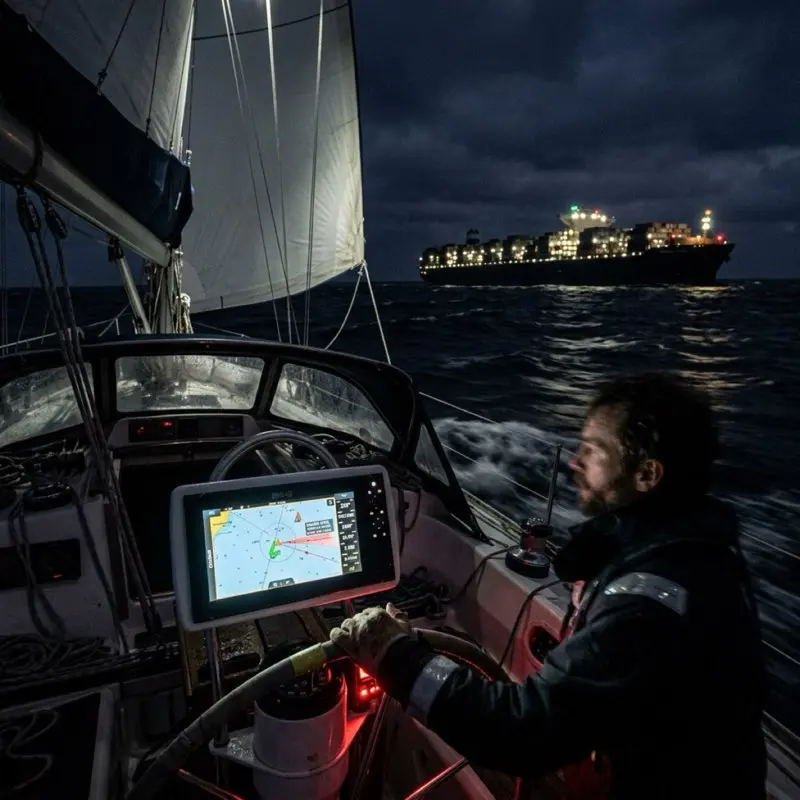
The sun hasn't quite broken the horizon over the Windward Islands, but the sky is already a bruised purple. I’m standing on the sugar-scoop of a 45-foot catamaran, the cooling trade winds, the Alizés, tugging at my rigging. Above me, the Navionics plotter in the cockpit glows with a dim red night-filter, showing a jagged coastline that most cruise ships wouldn’t dare approach.
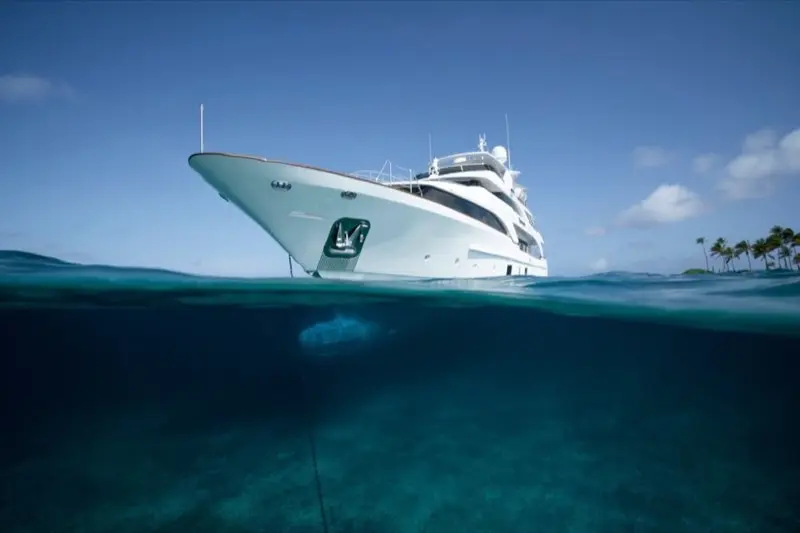
This is the reality of the Caribbean that isn't on the brochures. It’s not about the bustling marinas of Tortola or the crowded bars of English Harbour. It’s about that moment when you drop 50 meters of galvanized chain into five meters of gin-clear water, feel the Rocna anchor bite into the primary sand, and realize yours is the only mast in the bay.
As an RYA Yachtmaster with over two decades of blue-water experience, I’ve learned that the "hidden" spots aren't hidden because they’re invisible; they’re hidden because they require a level of navigation and respect that keeps the casual sailor away. This guide gives you the charts, the anchoring specs, and the first-hand waypoints to get there safely.
About this anchorage guide: Every location in this list was visited and anchored in by Captain Jack across multiple seasons of Caribbean cruising (2018–2026), covering the Grenadines, the Leeward Islands, the Spanish Virgins, and Tobago. Depth, holding, and approach notes are based on first-hand anchoring experience cross-referenced with current Imray Iolaire charts. Disclosure: No marina, charter company, or tourism authority compensated BoatGuider for any listing in this guide.
The Physics of Caribbean Anchoring
Before we dive into the coordinates, we need to talk catenaryThe natural curve of a hanging chain, essential for optimal anchor holding power.. The Caribbean isn't just a destination; it’s a weather system. You are anchoring in the path of the relentless NE Trades. If you aren't prepared for the "Christmas Winds", sustained 25-30 knot gusts that can last for days, you'll find yourself dragging toward a lee shore of volcanic rock.
Tactical Geometry: Scope and Substrate
In most of the anchorages listed below, you’ll be anchoring in 4–10 meters of water. My standard RYA protocol is a minimum of 5:1 scope for all-chain rode in calm conditions, and 8:1 when the swell starts rolling in from the Atlantic. If you’re using an older CQR or Danforth, double your vigilance. Modern high-holding anchors like the Spade or Mantus are the gold standard for the hard-packed sand and seagrass commonly found in the Leewards.