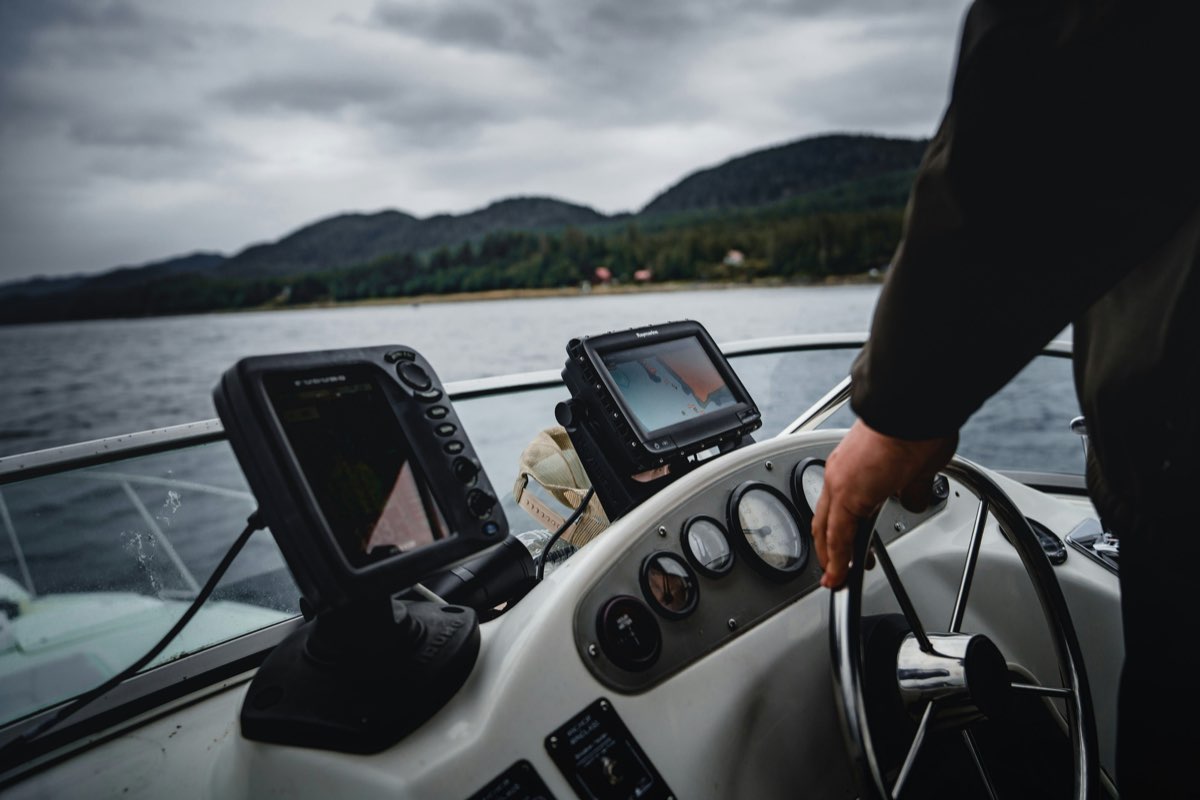
I was north of the Alderney Race, buried in a fog bank so thick it felt like wet wool. Visibility was under 50 meters, and the radar was painting nothing but fishing buoys and swell. Suddenly, my VHF erupted with a piercing warble — a DSC (Digital Selective Calling) Distress Alert. A vessel three miles south was flooding. Their exact coordinates and boat name were already on my screen before they even picked up the mic.
In that moment, the radio wasn't just a piece of electronics; it was a lifeline that removed the "guesswork" from a life-or-death situation.
The best marine VHF radios for 2026 are the Vesper Cortex V1 for integrated vessel management, the Icom M510 EVO for premium smartphone connectivity, and the Standard Horizon GX2400 for maximum reliability and value. For offshore use, a radio must include an internal GPS, NMEA 2000 networking, and a built-in AIS receiver to be considered a modern safety tool.
The good news: you don't need to spend $2,000 to get a life-saving radio. While the high-end hubs are impressive, the "budget" flagship models now include features that were considered experimental just five years ago. Whether you're a coastal cruiser or an offshore voyager, here is exactly what you need on your dash.
Mike Callahan's Masterclass Note: "A $1,000 radio is worthless if it's connected to a $50 antenna or low-grade RG-58 cable. In the VHF world, 'Height is Might.' If you want range, stop looking at the radio's wattage (they're almost all 25W) and start looking at your antenna gain and masthead height."
| Top 2026 VHF Radios | Approx. Price | Best For... | Key Feature |
|---|
| Standard Horizon GX2400 | $400 – $550 | The Practical Cruiser | Integrated AIS Receiver & 30W Hailer |
| Icom M510 EVO | $800 – $950 | The Tech-Savvy Yacht | Smartphone App Control (WLAN) |
| Vesper Cortex V1 | ~$2,000 | The Offshore Voyager | SOTDMA AIS Transponder & Remote Monitoring |
| Icom M94D (Handheld) | $350 – $400 | Your Emergency Belt | Built-in AIS Receiver & GPS |
What Happens if You Don't Have an AIS Receiver?
In 2026, buying a VHF without an AIS (Automatic Identification System) receiver is a mistake.
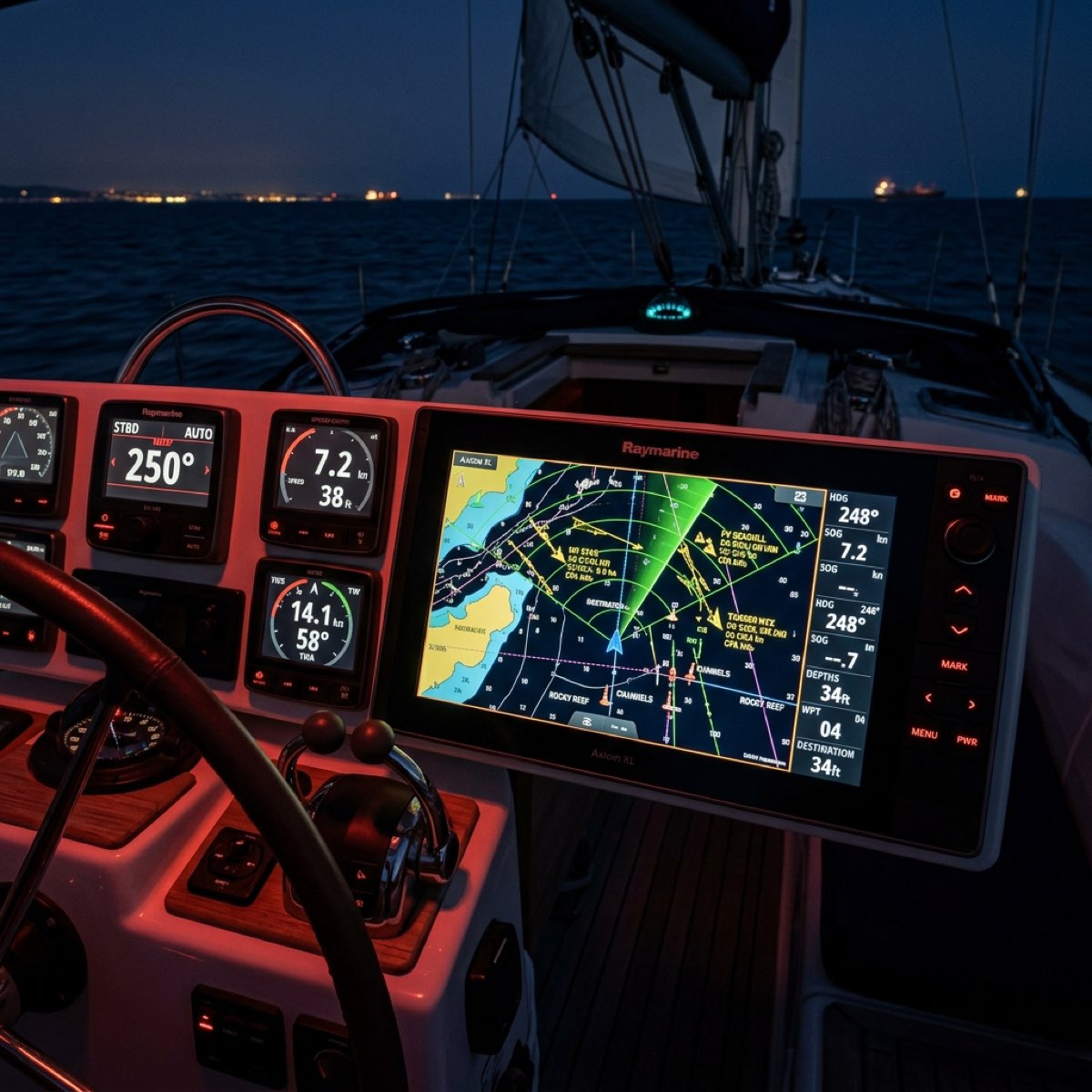
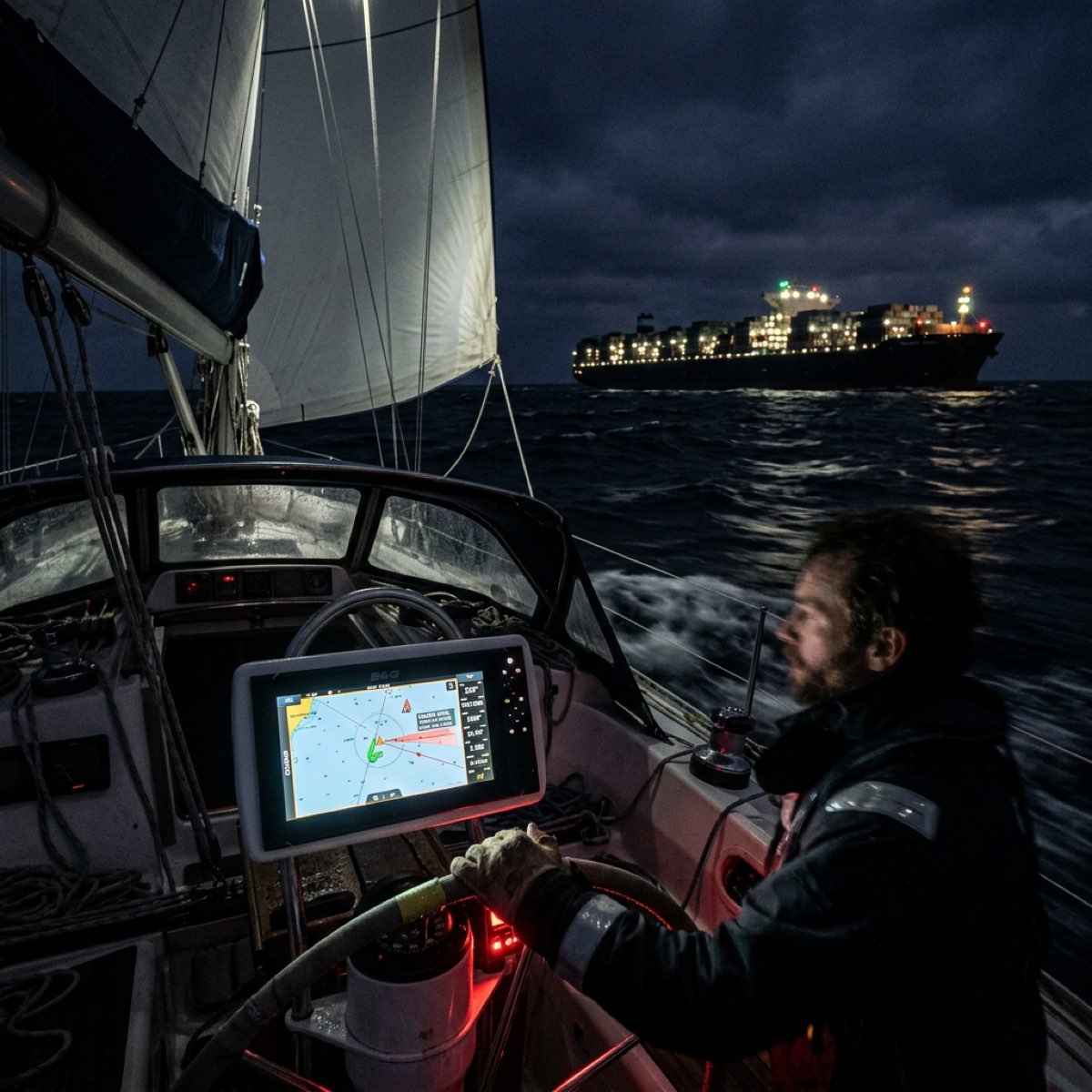
When you're navigating a busy channel at night or in the fog, the AIS receiver "sees" every commercial ship and AIS-equipped yacht around you. It plots them on your radio screen (or your chartplotter via NMEA 2000), telling you their name, speed, and — most importantly — their Closest Point of Approach (CPA).
If a 600-foot tanker is on a collision course with you, the radio will sound an alarm before you can even see their lights. The Standard Horizon GX2400 is the king of this category for the price.
The Icom M510 EVO represents the biggest shift in user experience. Using the RS-M500 app, your smartphone becomes a wireless handset for the radio via WLAN.
Scenario: You’re on the bow dropping anchor or at the stern checking the lines. You need to make a call or listen to a weather alert, but you aren't at the helm. With the M510, you pull your phone out of your pocket and talk. It effectively gives you a "remoteless" remote station.
The "Invisible Half": Why Your Cable Is Killing Your Range
You can have the most powerful 25W radio in the world, but if your coaxial cable is old or low-grade, you are losing 50% of your power before it reaches the antenna.
RG-58 vs. RG-213 vs. LMR-400
- RG-58: Fine for short runs (under 20 feet). If your mast is 50 feet tall, do not use this.
- RG-213: The heavy-duty choice for long runs. Much lower signal loss.
- LMR-400: The "Gold Standard" ultra-low-loss cable. It’s stiff and harder to pull through a mast, but it ensures every watt of power reaches the tip.
📋 Free Download: The BoatGuider Marine Electronics Audit
Is your NMEA 2000 network holding your radio back? Our Electronics Audit Guide walks you through testing your backbone, checking your SWR (Standing Wave Ratio), and ensuring your DSC distress button is actually sending coordinates.
[Download for Free →]
What is a "SOTDMA" AIS Hub? (Vesper Cortex)
If you have the budget, the Vesper Cortex V1 isn't just a radio; it’s a "Vessel Management Hub."
Unlike the other radios that just receive AIS signals, the Cortex is a Class B+ SOTDMA Transponder. This means it actively transmits your position to everyone else using the same high-priority time slots as commercial ships. It also monitors your boat's vitals (battery, bilge, position) and sends alerts to your phone while you're at the office.
The "Two-Strike" Warning: Programming Your MMSI
To use the DSC (Distress) features of a modern radio, you must program a 9-digit MMSI (Maritime Mobile Service Identity) number.
WARNING: Most marine radios only allow you to enter the MMSI one or two times. If you make a typo, the radio "locks" the MMSI field for security. You will have to send the unit back to the manufacturer or a certified dealer to have it factory reset. Double-check your number three times before hitting "Enter."
Frequently Asked Questions
Do I still need a VHF if I have a satellite messenger like a Garmin inReach?
Yes. An inReach is great for talking to land-based rescuers, but it cannot talk to the ship 500 yards away that is about to hit you. A VHF is for "Short Range" tactical communication with the vessels and Coast Guard immediately around you.
Can I use a 25W radio with a handheld antenna?
You can, but your range will be severely limited. VHF is "Line-of-Sight" technology. A handheld antenna at 5 feet off the water has a horizon of about 3 miles. An antenna at the top of a 30-foot mast has a horizon of nearly 10 miles.
What does the 'DSC' button actually do?
When you lift the red cover and hold the DSC button, the radio sends a digital "Mayday" that includes your MMSI number and your exact GPS coordinates. Every DSC-equipped radio within 20 miles will sound a piercing alarm and display your location. It is the single most important safety feature on your boat.
What is 'Gain' (dB) in a VHF antenna?
Antenna gain (usually 3dB, 6dB, or 9dB) determines the shape of the signal.
- 3dB: A wide, round "donut" shape. Best for sailboats because the signal still reaches the horizon even when the boat is leaning (heeling).
- 6dB: A flatter, wider donut. Best for motorboats.
- 9dB: A very flat "pancake" signal. Maximum range on flat water, but if the boat rocks, the signal shoots into the sky or the water.