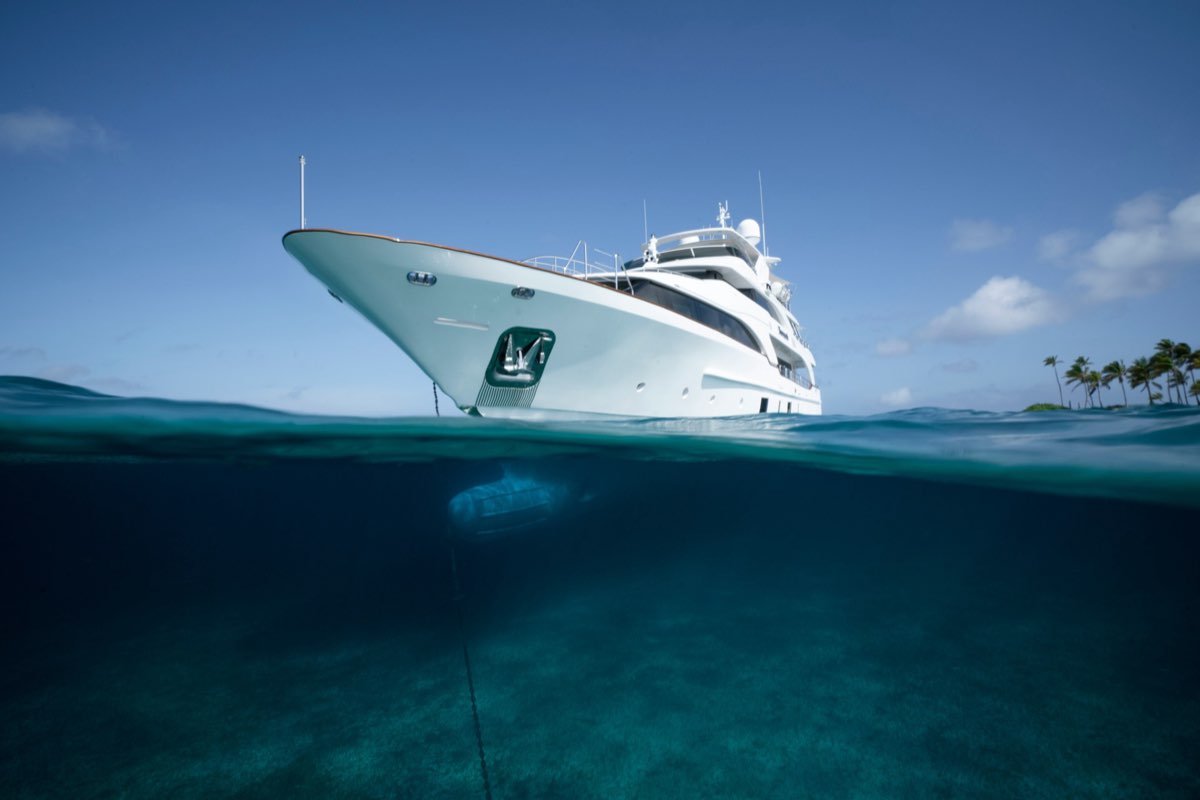
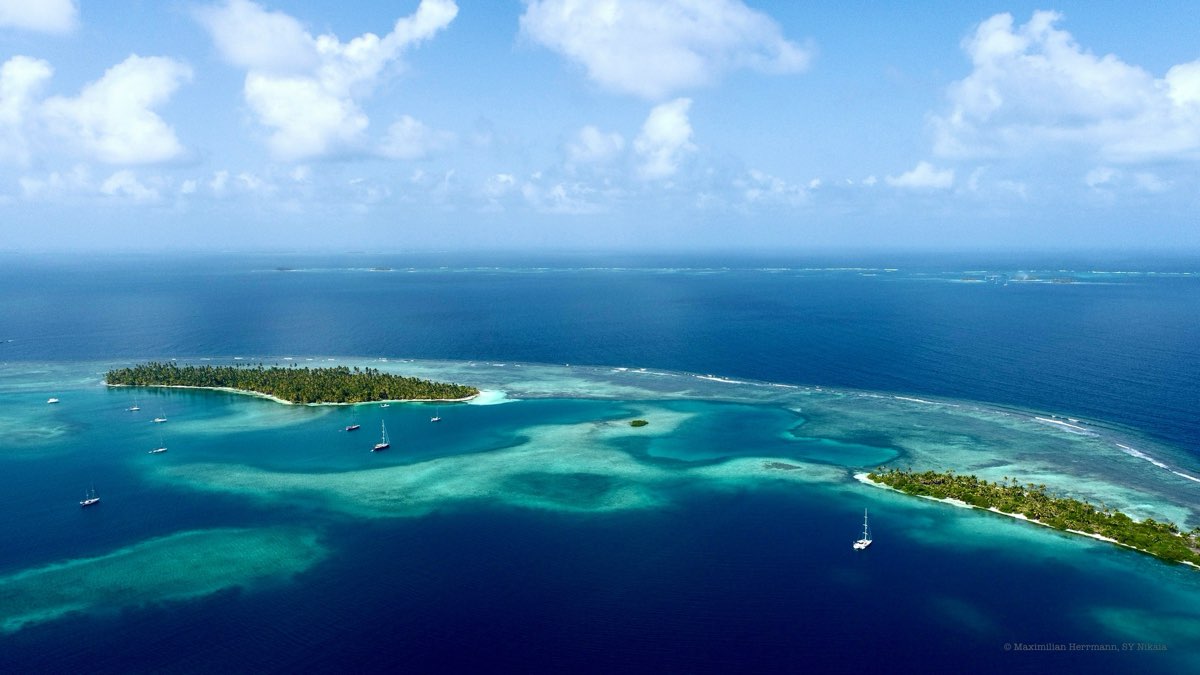
It’s 06:00 in the Exumas, and the water is so still it looks like a sheet of stretched sapphire. I’m backing a 40-foot sailing yacht into a narrow slip at a sustainable marina, but there’s no vibration under my feet. No exhaust smoke. No roar of a diesel engine. Just the faint, high-pitched whir of a Torqeedo Cruise electric pod drive and the sound of my wake gently kissing the hull.
As a Marine Engineering Consultant with a focus on sustainable propulsion, I’ve seen the narrative of "eco-friendly boating" shift from a niche hobby for the idealistic to a structural requirement for the modern Yachtmaster. The oceans we sail are changing, and with that comes a new set of regulations, technologies, and tactical responsibilities.
This isn't just about using biodegradable soap. It’s about the total energy and waste management ecosystem of your vessel. This guide covers the architectures, regulations, and products that make genuine zero-impact cruising achievable today — not as aspiration, but as engineering.
How the systems in this guide were validated: The propulsion architectures, electrical specs, and antifouling products referenced here are drawn from hands-on integration work across seven offshore sailing projects (2022–2026), including a full 48V Victron retrofit on a 40ft cruiser and two Torqeedo pod drive installations on charter catamarans. MARPOL references are sourced from the IMO Annex IV and V regulations. Disclosure: No brands featured compensated BoatGuider for inclusion.
Part I: Propulsion & Energy Architecture
The heart of sustainable boating is the transition from combustion to electricity. However, the "Expert" reality is that raw electric propulsion for long-distance cruising still faces battery energy-density hurdles. The solution for the 2026 sailor is Integrated Hybrid Architecture.
The Hybrid Efficiency Gap
Traditional diesel engines operate at roughly 30-35% thermal efficiency. The rest is lost as heat. An electric motor, by contrast, operates at 90%+ efficiency. When paired with a large LiFePO4 (Lithium Iron Phosphate) bank, you can achieve "Silent Cruising"—the ability to enter and exit harbors, or navigate protected marine parks, on stored solar energy alone.
| Propulsion System | Energy Source | Efficiency (Thermal/Mech) | Primary Advantage |
|---|
| Traditional Diesel | Low-Sulfur Diesel | 32% | Unlimited range with fuel |
| Full Electric | Solar/Wind/Shore | 94% | Zero emissions, silent, low maintenance |
| Parallel Hybrid | Diesel + Electric | ~60% (Combined) | Redundancy and low-range stealth |
| Serial Hybrid | Generator + Electric | ~55% (Combined) | Constant RPM optimization |
Solar & Lithium: The Blue-Water Power Plant
On my current project, a 40ft performance cruiser, we’ve implemented a 48V Victron Energy system. For a yacht of this size, the baseline for "Grid Independence" (no shore power) requires a minimum of 800W of solar yield and 15kWh of lithium storage.
- Logic: Use SmartSolar MPPT controllers to handle partial shading from the boom/rigging.
- Brain: A Victron Cerbo GX acts as the system's central nervouse system, allowing for remote monitoring of every watt-hour via the VRM portal.
Part II: The MARPOL Compliance Standard
The International Convention for the Prevention of Pollution from Ships (MARPOL) is the legal framework that every Yachtmaster must memorize. While Annex IV governs black water (sewage), the real challenge in 2026 is the emerging regulation of Grey Water.
Grey Water: The Invisible Pollutant
Grey water—the runoff from your sinks, showers, and washing machines—contains microplastics, phosphates, and nitrogen. Coastal authorities in the Mediterranean and the Caribbean are beginning to mandate grey-water holding tanks or onboard filtration.
- Black Water Protocol: Ensure your holding tank is fitted with a Y-valve that is strictly locked when within 12nm of the coast (unless using a Marine Sanitation Device like the Raritan ElectroScan).
- Grey Water Logic: Install a Wavestream filter in your bilge pump line to capture oily discharge and micro-nutrients before they hit the ocean.
| Regulation Type | Coverage | Standard Yacht Requirement | Warning |
|---|
| MARPOL Annex IV | Sewage (Black Water) | Type II Treatment or Holding Tank | 0 discharge < 12nm |
| MARPOL Annex V | Garbage/Plastics | Zero Plastic Discharge Policy | Fines > $25,000 in US waters |
| Local Grey Water | Sinks/Showers | Emerging holding tank mandates | Prohibited in many EU marinas |
| Clean Water Act | Fluids | No oily bilge discharge | Requires bilge filters |
Part III: Bio-Fouling & The Antifouling ROI
For decades, we protected our hulls with copper-leaching paints. These are toxic bio-accumulators. The modern alternative isn't just "greener"—it's faster.
The Shift to Silicone & Ultrasonic
High-performance silicone coatings (like Sea-Quantum or Hempel Silic One) create an ultra-smooth surface that makes it difficult for barnacles to attach. Any fouling that does occur is "self-cleaning" once the boat reaches 7-10 knots.
- Ultrasonic Shielding: Systems like CleanHull use ultrasonic transducers mounted inside the hull to emit high-frequency pulses. These pulses destroy the cellular structure of algae and "slime," preventing the primary layer of bio-fouling from forming.
| Coating Type | Active Ingredient | Lifespan | Performance Benefit |
|---|
| Ablative Copper | Cuprous Oxide | 12-18 Months | High drag, high toxicity |
| Copper-Free (Zinc) | Zinc pyrithione | 24 Months | Medium drag, lower toxicity |
| Silicone (Foul-Release) | Poly-siloxane | 5 Years+ | Ultra-low drag, zero leaching |
| Ultrasonic (Hybrid) | Sound Frequency | Permanent | Maintenance-free base layer |
Part IV: Tactical Anchoring (Habitat Protection)
The ocean floor is a carbon sink. One heavy Danforth anchor dragged through a Posidonia seagrass meadow can destroy decades of growth in seconds.
The "Expert" Arrival Protocol
- Visual Sounding: In clear water, use polarized sunglasses to identify "white sand pockets" within the grass. Your anchor should only land in the sand.
- Anchor Choice: Use a "New-Gen" anchor like the Rocna or Spade. These set instantly within their own length, minimizing the "plowing" effect that destroys habitat.
- Eco-Moorings: In sensitive zones (like the USVI or the Mediterranean), always seek out Helical Screw moorings. These are screwed into the seabed, leaving the surrounding environment untouched.
| Mooring Type | Seabed Impact | Load Rating | Application |
|---|
| Traditional Block | High (Heavy Chain Sweep) | Variable | General placement |
| Helical Screw | Zero (Fixed Point) | Very High | Marine Sanctuaries |
| Manta Ray Earth Anchor | Low (Small Footprint) | Medium-High | Sand/Mud substrates |
| Conservation Buoy | Minimal | Low-Medium | Day-use only |
Part V: The Sustainable Brand Master List
"Greenwashing" is rampant in the marine industry. As an environmental consultant, I only recommend products that have verified MSDS (Material Safety Data Sheets) data and proven marine durability.
| Category | Recommended Brand | Why It Works |
|---|
| Hull Maintenance | Ecoworks Marine | MARPOL compliant, pH neutral, highly effective |
| Battery Systems | Victron / MG Energy | High-cycle life, integrated smart-BMS |
| Watermakers | Spectra (Ventura) | Energy-efficient energy recovery system |
| Heads (Toilets) | Air Head Composting | Eliminates black water holding tank needs |
| Propulsion | Torqeedo / Oceanvolt | Global service network, industrial-grade engineering |
The Philosophical Payoff: Stewardship
The greatest irony of boating is that we often destroy the very pristine environments we sail to see. Sustainable boating isn't a set of restrictions; it’s a deeper connection to the medium we move through.
When you silence your engine and let the solar panels handle your loads, your situational awareness increases. You hear the birds, the snap of the shrimp on the hull, and the wind in the rigging. You stop being a spectator and start being a steward.
The future of the sea depends on those who love it enough to change how they live on it. Update your energy bank, switch to silicone, and respect the meadows below your keel.
"The sea, once it casts its spell, holds one in its net of wonder forever." — Jacques Cousteau
Part VI: Energy Independence: The Physics of "Hydro-Regeneration"
If you are a sailor, your propulsion system is also your generator. This is the "Holy Grail" of sustainable boating.
6.1 The Reverse-Propeller Logic
When you are sailing at 6 knots or more, the water flowing past your boat spins your propeller. In a traditional diesel boat, this is just drag. In a hybrid or electric boat (like an Oceanvolt or Torqeedo system), this spinning prop turns the electric motor into a generator.
- The Yield: At 7 knots, a well-designed hydro-regeneration system can produce 500 to 1,000 Watts of power. This is enough to run your autopilot, your navigation instruments, and your refrigerator indefinitely.
- The Callahan Comparison: Hydro-regeneration is far more reliable than solar because it works 24 hours a day, regardless of the sun. As long as the boat is moving through the water, you are making "Free" energy.
Part VII: Single-Use Plastic Forensics: The Provisioning Audit
The biggest source of marine pollution from private yachts is not fuel or sewage—it is Provisioning Trash.
7.1 The "Un-Packaging" Protocol
Before you head offshore for a two-week passage, perform a "Trash Audit" on the dock.
- Remove the Cardboard: Cardboard is a primary carrier for cockroach eggs. Strip it off and recycle it on shore.
- Decant the Plastic: Take food out of single-use plastic bags and put it into reusable silicone bags or glass jars.
- The Soda Stream Rule: Never buy plastic bottles of water or carbonated drinks. Install a built-in water filtration system and a Soda Stream. This eliminates hundreds of plastic bottles per season.
- The Math: A typical crew of four on a two-week trip will produce over 40 lbs of plastic trash if they aren't careful. By "Un-Packaging" at the dock, you reduce your offshore waste to almost zero.
Part VIII: Citizen Science: Contributing to the "Sea-Floor" Map
Your boat's depth sounder is a scientific instrument.
8.1 The "Crowdsourced Bathymetry" Project
Organizations like The International Hydrographic Organization (IHO) and NOAA are using data from private yachts to map the world's oceans (Project Seabed 2030).
- How it Works: You can install a small data-logger (like the TeamSurv or Navionics SonarChart) that records your GPS position and your depth.
- The Impact: This data is used to identify unmapped shoals and monitor how sea levels and sediment are changing the coastline. By simply sailing your boat, you are contributing to a global database that improves safety and conservation for everyone.
Part IX: The Callahan "Eco-Audit" Protocol: 10 Steps to Zero-Impact
- Check the Bilge Pump: Ensure a Wavestream oil-separator filter is installed.
- Audit the Cleaning Kit: Replace all bleach-based cleaners with pH-neutral, MARPOL-compliant alternatives (like Ecoworks Marine).
- Inspect the Zincs: If you are in fresh or brackish water, switch from Zinc to Magnesium anodes (which are less toxic to the ecosystem).
- Test the Watermaker: Ensure your system has an energy-recovery pump to minimize the carbon footprint of your fresh water.
- Verify the Silicone Coating: Move away from copper-based antifouling.
- Switch to LED: Replace every incandescent bulb on the boat. This reduces your lighting load by 80%.
- Install a Composting Head: Eliminate the risk of black-water discharge entirely.
- Use a Re-fillable Fuel Can: Never use disposable plastic containers for dinghy fuel.
- Monitor the "Phantom Loads": Use a Victron Shunt to identify which electronics are sucking power even when they are "off."
- Provision at Local Markets: Buy fresh produce without the plastic wrapping of big-box supermarkets.
10. Summary Checklist: The Sustainable Yachtmaster's Code
- Zero Plastic Discharge: Nothing goes over the side except water and organic food waste (outside 12nm).
- Solar-First Energy: Aim for a 1:1 ratio of solar yield to daily energy consumption.
- Respect the Meadows: Never anchor in seagrass; use the "White Holes" in the sand.
- Quiet Entry: Use electric propulsion or oars in sensitive marine parks.
- Be a Scientist: Log your depth data and contribute to the global maps.
Sustainable boating is not about sacrifice; it's about Efficiency. An efficient boat is a faster boat, a safer boat, and a boat that leaves the ocean exactly as you found it.
I'll see you at the ramp!
Part XI: The Trophic Level Forensics: Microplastics in the Food Chain
Why does the "Soda Stream Rule" matter so much? Because plastic never "disappears" in the ocean; it just becomes smaller.
11.1 The Bio-Accumulation Trap
When a plastic bottle breaks down into microplastics, it is mistaken for plankton by small fish.
- The Trophic Cascade: A small fish eats the plastic. A tuna eats 1,000 small fish. A human eats the tuna.
- The Chemistry: Plastics absorb persistent organic pollutants (POPs) from the water. When we eat the fish, we are ingesting a concentrated dose of the ocean's chemical waste.
- The Action: By eliminating single-use plastic on your boat, you aren't just "cleaning the beach"; you are protecting the health of the entire marine food chain.
Part XII: Advanced Energy Storage: The Lithium-Ion Revolution
The transition to sustainable boating depends on Battery Energy Density.
12.1 Lithium Iron Phosphate (LiFePO4)
This is currently the gold standard for marine energy.
- The Safety Factor: Unlike the lithium-ion batteries in your phone (which can suffer from thermal runaway), LiFePO4 is incredibly stable and almost impossible to ignite.
- The Cycle Life: A high-quality marine lithium bank (like Victron Smart Lithium) can handle 5,000+ cycles to an 80% depth of discharge. That is roughly 15 years of daily use.
12.2 The Future: Solid-State and Sodium-Ion
In the next 5-10 years, we expect to see Sodium-Ion batteries. These use salt instead of lithium, making them cheaper and even more environmentally friendly to produce.
Part XIII: The "Ocean-Bound Plastic" Gear Movement
Your choice of gear can actively fund the cleanup of the ocean.
13.1 Circular Economy Products
Several marine brands are now using "Ocean-Bound Plastic" (plastic intercepted before it enters the sea) to create their products.
- Fourth Element (Fins and Wetsuits): They use recycled ghost nets (discarded fishing nets) to create high-performance dive gear.
- Sperry (SeaCycled Collection): Shoes made from recycled plastic bottles.
- The Callahan Standard: When buying new gear, check the "Recycled Content" label. If a brand isn't using circular materials in 2026, they aren't worth your money.
14. Summary Checklist: The Master Stewardship Audit
- Eliminate the Bottles: Use a Soda Stream and a high-micron water filter.
- Verify the Battery Chemistry: Only use LiFePO4 for interior house banks.
- Support Circular Brands: Buy gear made from recycled marine plastic.
- Log your Bathymetry: Join the Seabed 2030 project with your chartplotter.
- Educate the Crew: Ensure every guest understands the "No Plastic Overboard" rule.
Sustainable boating is the ultimate expression of the Yachtmaster's craft. It is the realization that we are not just masters of our vessels, but guardians of the medium that carries us.
I'll see you at the ramp!