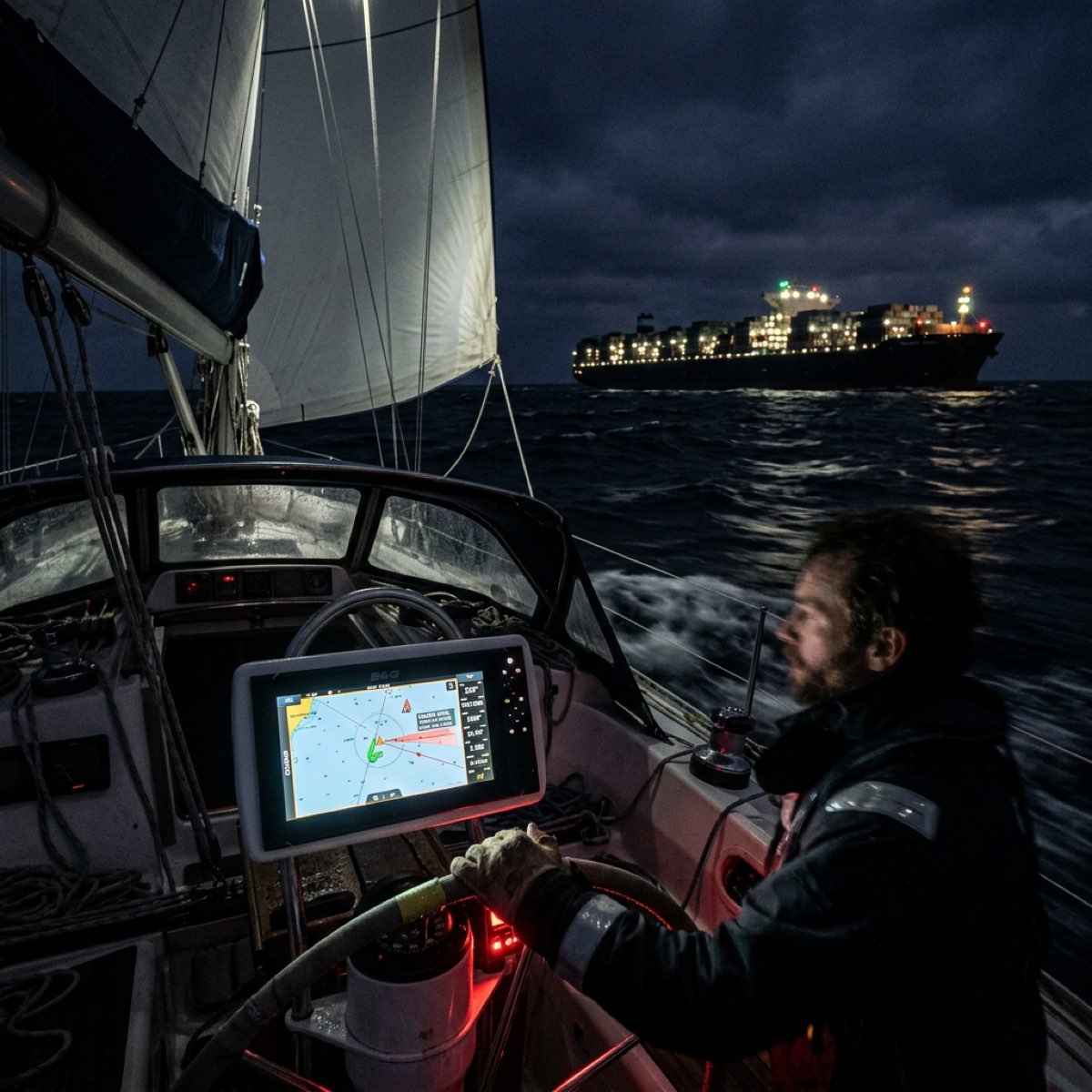
The sun hasn't quite broken the horizon over the Windward Islands, but the sky is already a bruised purple. I’m standing on the sugar-scoop of a 45-foot catamaran, the cooling trade winds—the Alizés—tugging at my rigging. Above me, the Navionics plotter in the cockpit glows with a dim red night-filter, showing a jagged coastline that most cruise ships wouldn’t dare approach.
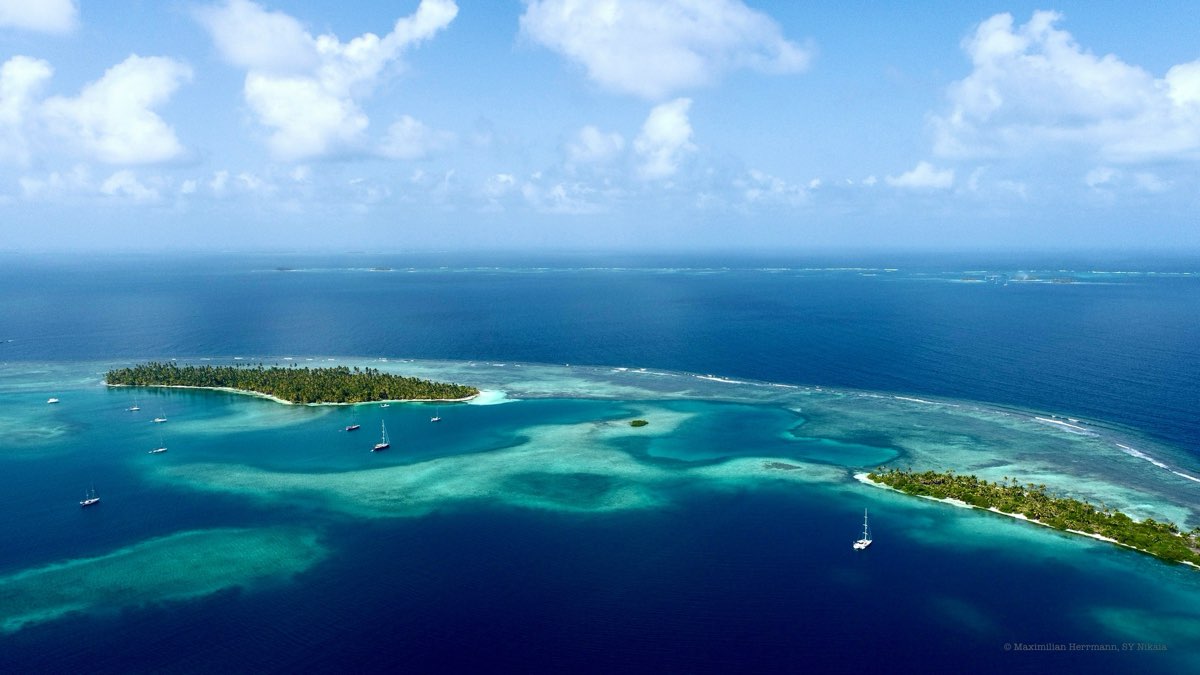
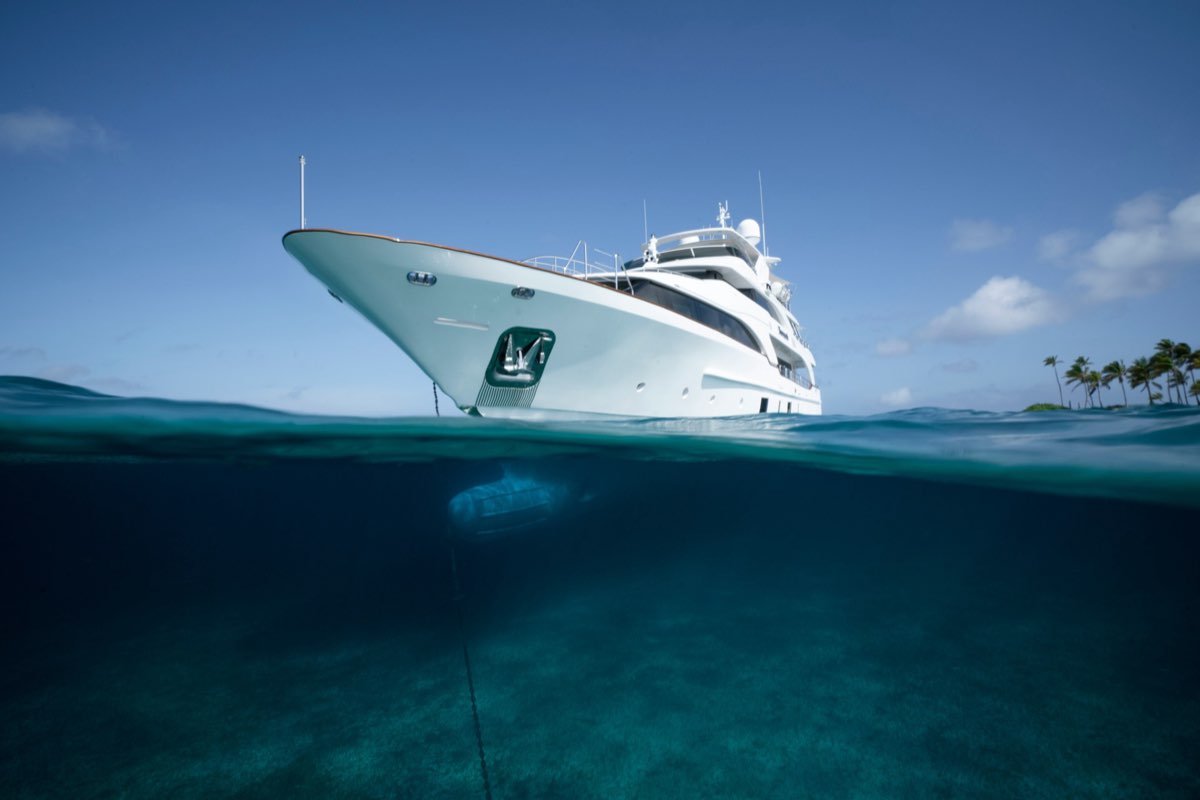
This is the reality of the Caribbean that isn't on the brochures. It’s not about the bustling marinas of Tortola or the crowded bars of English Harbour. It’s about that moment when you drop 50 meters of galvanized chain into five meters of gin-clear water, feel the Rocna anchor bite into the primary sand, and realize yours is the only mast in the bay.
As an RYA Yachtmaster with over two decades of blue-water experience, I’ve learned that the "hidden" spots aren't hidden because they’re invisible; they’re hidden because they require a level of navigation and respect that keeps the casual sailor away. This guide gives you the charts, the anchoring specs, and the first-hand waypoints to get there safely.
About this anchorage guide: Every location in this list was visited and anchored in by Captain Jack across multiple seasons of Caribbean cruising (2018–2026), covering the Grenadines, the Leeward Islands, the Spanish Virgins, and Tobago. Depth, holding, and approach notes are based on first-hand anchoring experience cross-referenced with current Imray Iolaire charts. Disclosure: No marina, charter company, or tourism authority compensated BoatGuider for any listing in this guide.
The Physics of Caribbean Anchoring
Before we dive into the coordinates, we need to talk catenary. The Caribbean isn't just a destination; it’s a weather system. You are anchoring in the path of the relentless NE Trades. If you aren't prepared for the "Christmas Winds"—sustained 25-30 knot gusts that can last for days—you'll find yourself dragging toward a lee shore of volcanic rock.
Tactical Geometry: Scope and Substrate
In most of the anchorages listed below, you’ll be anchoring in 4–10 meters of water. My standard RYA protocol is a minimum of 5:1 scope for all-chain rode in calm conditions, and 8:1 when the swell starts rolling in from the Atlantic. If you’re using an older CQR or Danforth, double your vigilance. Modern high-holding anchors like the Spade or Mantus are the gold standard for the hard-packed sand and seagrass commonly found in the Leewards.
| Anchorage Component | Yachtmaster Professional Specification | Key Requirement |
|---|
| Primary Anchor | 33kg Rocna / Spade / Mantus | High-holding power in sand/grass |
| Rode | 100m Grade 40 Galvanized Chain (10mm) | Catenary weight is life |
| Snubber | 10m 3-strand Nylon (16mm) | Shock absorption for trade wind gusts |
| Electronics | Raymarine/B&G with forward-scanning sonar | Essential for coral-head avoidance |
| Charts | Imray Iolaire Paper + Navionics Digital | Cross-reference is mandatory |
Part I: The Windward Cays (The Grenadines)
The Grenadines are the crown jewels of Caribbean sailing. Navigation here is purely visual; you are reading the color of the water more than the depth sounder.
1. Salt Whistle Bay, Mayreau
While the southern end of Mayreau is a tourist hub, the true magic lies in the northern pocket of Salt Whistle Bay. You need to approach with the sun behind you to spot the reefs.
- Depth: 3–5m
- Holding: Excellent in fine white sand.
- Caveat: Avoid the northern reef edge (marked incorrectly on some older charts).
- The Secret: Anchor as far north as your draft allows. You’ll be 100 meters from the Atlantic surf, separated only by a narrow spit of sand.
2. Tobago Cays: The Sandbore (Beyond the Horseshoe Reef)
Most boats group together inside the Horseshoe Reef. For the true Yachtmaster experience, navigate further east to the Sandbore.
- Approach: Narrow channel between Petit Bateau and Jamesby.
- Depth: 2–4m (Watch your draft!)
- Vibe: You are literally at the edge of the world.
- Protection: Excellent from NE/E, but exposed to the raw sound of the Atlantic.
3. Chatham Bay, Union Island
Frequently bypassed for the "shallows," Chatham Bay offers the best protection in a "Northie" (a northern wind shift).
- Substrate: Sand and light grass.
- Tactics: Anchor in the southern corner in 6m.
- Pro Tip: This is one of the few places where you can safely leave the boat for a hike up the ridge for a sunset view of the entire Grenadine chain.
| Grenadines Data Table | Protection | Best Holding | Depth (Avg) |
|---|
| Salt Whistle Bay | NE / E / S | Pure Sand | 4m |
| Tobago Cays | NE / E | Sand & Rubble | 3m |
| Chatham Bay | All but NW | Sand/Grass | 7m |
| Petit Nevis | NE / E | Sand | 6m |
Part II: The Volcanic Leewards
As you move north from Martinique toward Antigua, the geography shifts from coral cays to towering volcanic peaks.
4. Anse Noire, Martinique
Just a few miles south of Fort-de-France, Anse Noire is a black sand pocket surrounded by sheer jungle cliffs.
- Depth: Deep (12–15m). You’ll need a lot of chain here.
- Experience: Swimming with turtles in 30m visibility is standard.
- Warning: The bay is narrow; ensure your swinging circle doesn't put you too close to the cave-pitted cliffs.
5. Soufrière, Dominica
Dominica is the "Nature Island." There are no marinas here. You use the P.A.Y.S. (Portsmouth Association of Yacht Services) moorings or drop anchor in the deep Soufrière bay.
- Expert Move: Support the locals. Use a P.A.Y.S. buoy (VHF 16).
- Geology: You are anchoring in a submerged volcanic caldera. The drop-off is sudden—5m to 50m in seconds.
6. Deep Bay, Antigua (The Andes Wreck)
Antigua has 365 beaches, but Deep Bay holds a secret in its center. The wreck of the Andes, an 1874 merchant ship, sits in just 4m of water.
- Anchoring: Drop in the southern corner in 5m sand.
- Navigation: Leave the wreck (marked by two small buoys) to your starboard side on entry.
- Activity: Snorkel the wreck at dawn before the day-charter boats arrive.
| Leeward Island Specs | Bottom Type | VHF Contact | Protection |
|---|
| Anse Noire | Volcanic Sand | N/A | NE / E |
| Soufrière (DOM) | Boulders/Sand | Ch 16 (P.A.Y.S) | All but W |
| Deep Bay | Hard Sand | Ch 68 (Antigua Radio) | All but W |
| Colombier | Sand | Ch 16/12 | NE / E |
Part III: The "Spanish" and Virgin Islands
The Virgin Islands are often dismissed as "Charter Central," but the Spanish Virgin Islands (Culebra/Vieques) tell a different story.
7. Ensenada Honda, Culebrita
Not to be confused with the main harbor on Culebra, Culebrita is a nature reserve.
- Architecture: The ruins of the oldest lighthouse in the Caribbean (Faro de Culebrita) guard the hill.
- Draft Warning: The entry is narrow and fringed with reef. Keep your eyes on the turquoise water.
- Holding: Medium sand.
8. White Bay, Guana Island (BVI)
Only a mile from the chaos of Tortola, Guana Island is private, but the seabed is public.
- Vibe: Old-school BVI. No bars, no noise.
- Depth: 5m.
- Rule: You cannot go ashore on the private beach, but you can enjoy the most pristine coral garden in the territory from your swim platform.
9. Colombier, St. Barths
Accessible only by boat or a long hike, this is the quieter side of the "Billionaire's Island."
- Tactics: Mooring balls are available and recommended to protect the seagrass (habitat for the Green Sea Turtle).
- Approach: Beware the Ile de la Pointe when approaching from Gustavia.
Part IV: The Southern Outlier
10. Man-O-War Bay, Tobago
For the truly adventurous, head south to Tobago. Man-O-War Bay is a vast, primeval amphitheater of green.
- Protection: Exceptional against the NE Trades.
- Holding: Firm mud and sand (10m).
- Cultural Experience: This is real Caribbean life, miles away from the tourist traps of the north.
In the Caribbean, your backup plan is your primary plan. On my boat, POSEIDON, we never trust a single source.
- Digital: Navionics on the iPad + B&G Zeus at the helm.
- Paper: Imray Iolaire charts for the relevant chain.
- Visual: Polaroid sunglasses. You cannot read the depth without them. Brown is rock/coral, light blue is sand, dark blue is deep, green is grass.
| Equipment Master List | Recommended Model | Yachtmaster Rationale |
|---|
| Chartplotter | B&G Zeus 3S | Unrivaled sailing software |
| AIS | Vesper Cortex | Smart transponder with VHF |
| Handheld VHF | Icom M94D | Built-in DSC and GPS for dinghy |
| Binoculars | Steiner Navigator | Stabilized optics for spotting marks |
| Pilot Book | Chris Doyle Guides | The "Bible" of the Caribbean |
Safety and Search & Rescue (SAR)
If things go wrong—and they eventually do at sea—knowing who to call is the difference between an inconvenience and a tragedy. Don't rely on cell service.
| Rescue Authority | Location | VHF Channel | Emergency Number |
|---|
| VISAR | British Virgin Islands | Ch 16 | +1 (284) 499 0911 |
| MRCC Fort-de-France | French Antilles | Ch 16 | +596 596 70 92 92 |
| Antigua Coast Guard | Antigua | Ch 16 | +1 (268) 462 0671 |
| St. Vincent CG | Grenadines | Ch 16 | +1 (784) 457 4578 |
The Philosophical Payoff: Why We Go
The hidden anchorage isn't just a place to park your boat. It’s a mental state. When you sit on deck as the stars begin to populate the Caribbean sky, with the nearest neighbor five miles away, the noise of the modern world disappears.
You aren't just a visitor; you are part of the ocean's rhythm. You’ve successfully navigated the reefs, trusted your gear, and been rewarded with a slice of the planet that few will ever see. This is the reason we buy boats. This is why we study the charts.
The Caribbean isn't becoming smaller; we’re just becoming more afraid to explore it. Pack your Rocna, update your Navionics, and leave the marina behind. The hidden gems are still there, waiting for those with the courage to drop anchor.
"To reach a port we must sail, sometimes with the wind and sometimes against it. But we must sail, and not drift, nor lie at anchor." — Oliver Wendell Holmes
Part V: Security and Ethics: Dealing with "Boat Boys" and Local Communities
In the Windward Islands (especially St. Vincent, the Grenadines, and Dominica), you will be approached by local entrepreneurs in colorful plywood boats, commonly known as "Boat Boys."
5.1 The Economic Ecosystem
These men are not panhandlers; they are mobile service providers. They offer everything from fresh bread and ice to "custom" mooring buoy assistance.
- The Callahan Ethics: If a boat boy helps you take a mooring or brings you a bag of ice, pay them a fair wage (usually $10-$20 USD). This is the primary income for many families in these remote areas.
- The Security Myth: Many cruisers are afraid of these interactions. In my 20 years of experience, a respectful relationship with the local boat boys is your best security system. Once you’ve hired a local to watch your boat, you are "vouched for" in the community.
5.2 Cultural Respect
When going ashore in remote villages, remember that you are in someone’s backyard.
- The Dress Code: Many islands are conservative. Wear a shirt and shorts when walking through town. Walking into a grocery store in a bikini is considered offensive in places like Grenada or Carriacou.
Part VI: The Spanish Virgins: A Masterclass in Restricted Areas
Culebra and Vieques (the Spanish Virgins) offer some of the most pristine anchorages in the Caribbean, but they come with a technical navigation challenge: Unexploded Ordnance.
6.1 The US Navy Legacy
For decades, the US Navy used Vieques and parts of Culebra as a bombing range. While the range is closed, the seabed in some areas is still "Littered" with old shells.
- The Navigation Rule: Never anchor in an area marked "Restricted" or "Danger" on the chart. These areas are not just bureaucratic; they are physically dangerous.
- The Hidden Gem: Ensenada Honda (Vieques). This is a massive, mangrove-fringed harbor with 100% protection from all directions. The holding is thick, sticky mud.
- The Callahan Tip: Enter the harbor using the range markers. Stay in the center of the channel to avoid the shallow reef on the port side. Once inside, you can tuck into the mangroves for total solitude.
Part VII: The Callahan "Anchor-Set" Protocol for Deep Water
In many volcanic islands (like Martinique or Dominica), you will find yourself anchoring in 60 feet (18 meters) of water or more. This requires a different technique than the shallow sand flats of the Bahamas.
7.1 The Heavy-Lift Logic
- Stop the Boat: You must be at a dead stop before dropping the anchor.
- The Drop: Use the windlass to lower the anchor (don't "free-fall" it, which can cause the chain to pile on top of the anchor and foul it).
- The Scope Rule: In 60 feet of water, a 5:1 scope requires 300 feet of chain. This is a massive amount of weight.
- The Catenary Advantage: In deep water, the weight of the chain itself (the catenary) provides the holding power. You can often get away with a 3:1 or 4:1 scope because the chain is so heavy it won't pull straight.
- The Snubber: Use a 30-foot nylon snubber. In deep water, the "surges" from the ocean swell can put massive vertical loads on your bow roller. The snubber absorbs this energy and saves your deck hardware.
Part VIII: Provisioning the Remote Route: Water, Fuel, and Ice
If you are exploring the hidden spots, you need to be self-sufficient.
8.1 The "Water Island" Strategy
Many remote islands (like Anegada or Mayreau) have limited fresh water.
- The Catchment Rule: If your boat has a watermaker, keep it serviced. If not, plan your route around "Water Hubs" like Bequia or Virgin Gorda.
8.2 Fuel Logistics
Fuel in remote areas is often dispensed from 55-gallon drums on a rickety pier.
- The Callahan Warning: Always use a Baja Filter (funnel filter) when taking fuel in remote spots. Contaminated fuel (water or microbes) is the #1 cause of engine failure in the Caribbean.
9. Summary Checklist: The Callahan Expedition Audit
- polarized Glasses: Essential for reef-spotting in the Cays.
- Baja Filter: Non-negotiable for remote fuel stops.
- $500 in Small Bills: Local boat boys and remote markets don't take credit cards.
- Spare Impeller and Filters: You are your own mechanic on the "Remote Route."
- Doyle or Imray Pilot Books: Don't rely on the internet for local knowledge.
The Caribbean is still the greatest cruising ground on earth, but only if you have the courage to leave the "Charter Track." By mastering the Deep Water Set and respecting the Boat Boy Economy, you unlock a level of freedom that most sailors only dream of.
I'll see you at the ramp!